Cricut Birthday Card Paper Cut SVG Review
As a designer who spends countless hours translating digital vectors into tangible stitched goods, I approach every new file with a mix of excitement and skepticism. The Cricut Birthday Card Paper Cut SVG arrived on my desk promising elegance and intricacy, specifically marketed as a paper cut design for handmade greeting cards. However, my job is to look beyond the intended use case and evaluate how this specific aesthetic translates when we move from paper to fabric. In the world of commercial embroidery and small business product creation, a design that looks stunning as a flat cut often behaves very differently under the pressure of a needle.
First Impressions: From Paper to Thread
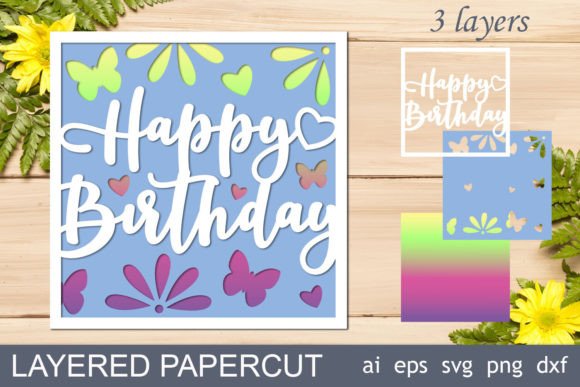
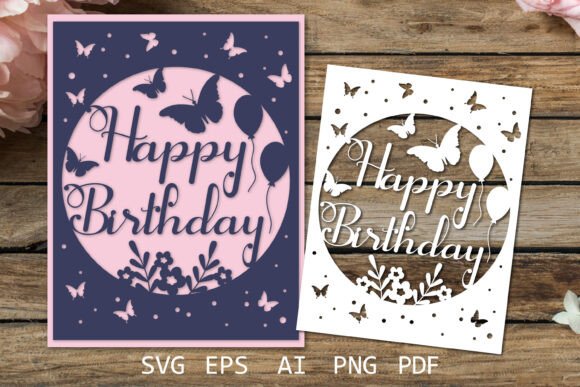
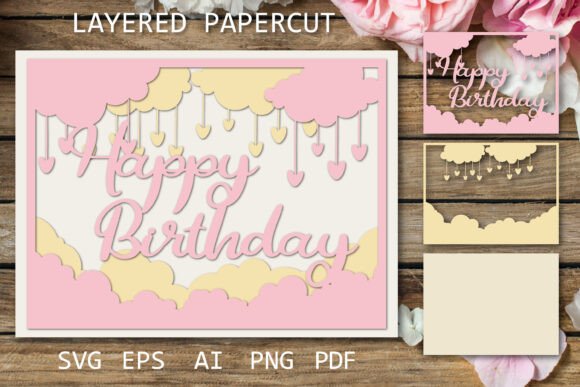
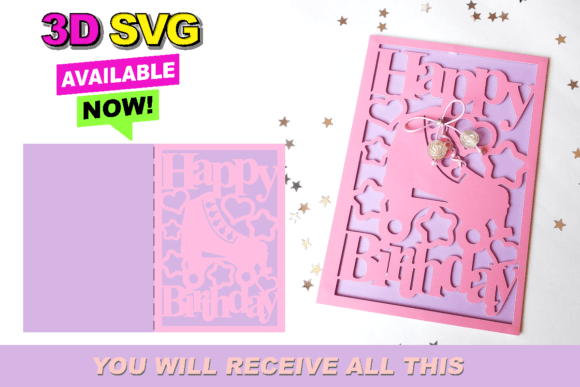
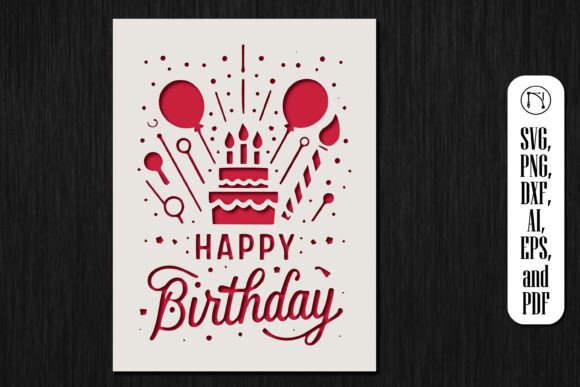
The initial visual impact of the Cricut Birthday Card Paper Cut SVG is undeniably sophisticated. The intricate lines and delicate curves suggest a high level of detail that usually signals a premium finished product. When viewing the vector, the mood feels celebratory yet refined, perfectly suited for a boutique brand or a high-end personalized gift. The layout relies heavily on negative space and fine linework, which are hallmarks of successful laser cutting projects. But here lies the critical question for us as embroiderers: does this complexity survive the transition to a machine embroidery design?
In a real-life scenario, imagine you are preparing a custom embroidered tote bag for a local craft fair. You want something that stands out against the canvas, offering more depth than a simple text logo. This design offers that potential. However, the "paper cut" nature means the original file likely contains extremely thin lines that would be impossible to stitch without breaking threads or losing definition. To make this work, we must mentally convert those sharp, paper-thin edges into satin stitch columns or narrow fill stitch areas. If the design features tiny, isolated details common in paper cuts, they may need to be simplified or removed entirely to ensure the finished product holds up after washing.
Performance in Real-World Embroidery Projects
When considering where to apply the Cricut Birthday Card Paper Cut SVG, the choice of substrate is paramount. For custom apparel like sweatshirts or heavy cotton tees, the design can shine if adapted correctly. The intricate patterns can add a layer of texture that elevates a basic garment into a collectible piece. I have seen similar complex designs used successfully on embroidered patches, where the dense stitching adds durability and structure. A patch made from this design could be a fantastic addition to a denim jacket or a backpack, serving as a unique personalized gift for a birthday celebration.
However, the application changes drastically for lighter items. On a baby onesie or a thin tea towel, the density required to replicate the "intricate" feel of the original SVG could overwhelm the fabric. Baby embroidery requires softness; a design that is too dense might create a scratchy backside, which is unacceptable for infant wear. Similarly, for kitchen towels or aprons that undergo frequent washing, the structural integrity of the stitches becomes a concern. If the stitch density is too high in an attempt to mimic the crispness of a paper cut, the fabric may pucker, ruining the drape and professional appearance of the item.
For the Etsy seller or small shop owner, this design offers a unique selling point if executed well. It bridges the gap between the popular paper craft trend and the tactile appeal of textiles. Imagine using it for holiday embroidery on pillow covers or blankets. The elegant theme fits the season perfectly, and the perceived value of a hand-stitched, intricate design allows for a higher price point. Yet, the success hinges on your ability to digitize or adapt the file so that the thread colors pop against the background without creating a muddy mess.
Navigating Challenges: Where Caution is Required
There are specific scenarios where the Cricut Birthday Card Paper Cut SVG demands extreme caution. Small hoop sizes are a major pitfall. If you try to force this intricate design into a 4x4 inch hoop, you will likely encounter registration issues where the delicate lines do not align perfectly, leading to a sloppy look. Always check the recommended hoop size before committing to a client project.
Textured fabrics present another hurdle. On fleece, corduroy, or knits, the fine details of a paper-cut style design can get lost in the weave of the material. The design needs a smooth surface to truly show its elegance. Additionally, dark fabrics require careful planning. While the design is beautiful, achieving the same contrast on black fabric as you would on white paper requires significant adjustments to the digital embroidery file. You may need to add underlay stitches or change the running stitch paths to prevent the design from disappearing into the background.
Curved surfaces, such as caps, are particularly tricky for this type of design. The rigid geometry of a paper cut pattern often clashes with the rounded topology of a hat. Without significant reshaping, the applique design elements or satin borders may pull or distort, looking unprofessional. If you plan to use this for headwear, consider simplifying the outer edges to accommodate the curve.
Designer Notes for Professional Execution
Before you commit to a batch production run or sell a listing featuring this design, there are non-negotiable steps to take. First, always test the design on scrap fabric first. Do not skip this step. Print out a mockup at the exact scale you intend to stitch to see if the details remain visible. Check thread color contrast rigorously; what looks good on a screen might blend in on fabric.
Review the stitch density closely. If the original file was designed for a Cricut machine, it lacks stitch data. You will need to digitize it, ensuring that you don't overstuff the area with fill stitches just to match the visual weight of the paper version. Use proper stabilizer—likely a tear-away or cut-away depending on the fabric—to support the intricate details. Inspect small details under magnification; if a letter or shape is too small to stitch cleanly, remove it. A clean, slightly simpler design is always better than a cluttered, messy one.
Finally, confirm licensing before selling finished items or digital products. Just because a file is labeled as a "Cricut" design does not automatically grant commercial rights for embroidery. As a creative entrepreneur, protecting your business is vital. Ensure you have the right to use the design assets for commercial embroidery purposes. Test the design in black and white mockups to verify the silhouette works before investing in expensive threads.
The Cricut Birthday Card Paper Cut SVG is a beautiful concept that, with the right adaptation, can become a standout piece in your portfolio. It challenges us to think about how we translate two-dimensional art into three-dimensional texture. By respecting the limitations of the medium and prioritizing quality over complexity, you can turn this elegant design into a profitable and cherished handmade product that customers will love for years to come.