Jellyfish Underwater 3D Shadow Box SVG for Summer
As a digital publisher who has spent years curating visual assets for high-traffic blogs and affiliate sites, I know that the difference between a clicked link and a bounced visitor often comes down to a single image. When I first encountered the Jellyfish Underwater 3D Shadow Box SVG, my immediate reaction was not just about the aesthetic appeal of ocean life, but about how this specific graphic design asset could elevate an entire editorial section. This is a lovely template of paper-cut art designed for summer, and it immediately signals a shift from generic stock photography to something more curated and artistic.
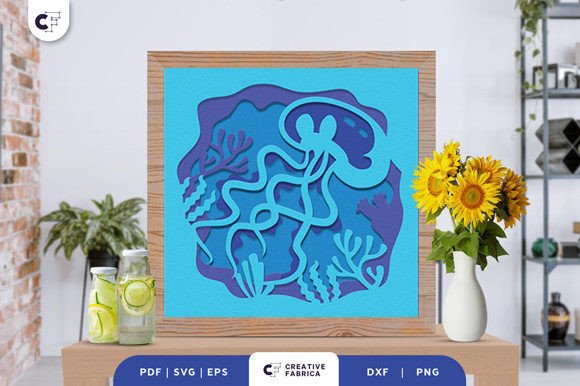
The product description notes that this Amazing Jellyfish 3D Shadow Box contains beautiful ocean life where the jellyfish looks exotic surrounding a sense of depth. In the context of web design, "depth" is a powerful tool. Unlike flat vector illustrations that can sometimes feel sterile, the shadow box effect creates a tangible layering that draws the eye in. For a blogger preparing content for the upcoming season, this asset offers a sophisticated way to capture attention without screaming for it. It feels lifestyle-focused yet professional, blending a playful, feminine touch with a modern design sensibility that works well for creative entrepreneurs and small business owners alike.
Setting the Editorial Mood for Summer Content
When you are building a content strategy around seasonal themes, the visual hierarchy must support the narrative. The Jellyfish Underwater 3D Shadow Box SVG creates an immediate mood of exploration and tranquility. It is perfect for niches like travel, wellness, marine biology education, or even lifestyle blogs focusing on relaxation and self-care during the heat of summer. The intricate layers of the paper-cut style suggest craftsmanship, which subconsciously builds reader trust. When visitors see such detailed work on your website header or featured image, they assume the written content beneath it is equally polished and researched.
This asset moves beyond simple decoration; it becomes a brand identity marker. If you are running an affiliate marketing campaign for beach gear, dive equipment, or summer reading lists, using this 3D SVG as a recurring visual element helps establish a cohesive look across your site. It transforms standard blog graphics into editorial design pieces that stand out in a crowded feed. The exotic nature of the jellyfish adds a touch of wonder, making the content feel less like a sales pitch and more like an invitation to discover something new.
Real-World Publishing Applications
In my workflow, versatility is key. A good digital download should serve multiple purposes without requiring extensive rework. Here is how I plan to integrate the Jellyfish Underwater 3D Shadow Box SVG into real publishing situations:
- Blog Featured Images: Using the SVG as the primary hero image for articles about ocean conservation or summer travel guides. The depth of the shadow box ensures it remains engaging even when paired with bold headlines.
- Pinterest Pins: Creating vertical layouts where the jellyfish acts as the focal point. The intricate details of the 3D SVG translate beautifully to Pinterest, driving higher click-through rates due to its unique texture compared to flat photos.
- Newsletter Banners: Designing email headers that pop against white backgrounds. The layered effect adds a premium feel to digital newsletters, encouraging subscribers to open and read further.
- Digital Guides and Lead Magnets: Incorporating the design into eBook covers or printable design resources. A lead magnet featuring this level of creative design feels more valuable, increasing conversion rates for email sign-ups.
- Social Media Graphics: Using the asset in Instagram stories or Facebook posts to announce summer collections or special promotions. It serves as a strong visual anchor for social media graphics.
- Canva Templates: Building custom Canva templates for clients or internal use, leveraging the scalability of the SVG format to resize without losing quality.
Boosting Content Performance Through Visuals
The impact of the Jellyfish Underwater 3D Shadow Box SVG extends beyond aesthetics; it directly influences content performance metrics. A stronger first impression is crucial in the split-second decision-making process of a web user. By utilizing this asset, you create clearer visual hierarchy, guiding the reader's eye to the most important elements of your page. The professional look of the paper-cut art improves reader trust, signaling that your website is a credible source of information.
Furthermore, consistent branding is essential for long-term growth. When you use this design asset across category thumbnails, downloadable resources, and affiliate content visuals, you build a recognizable visual identity. This consistency makes your brand memorable. Whether you are creating a digital guide for parents or a commercial design piece for a local business, the ability to maintain a high-quality look across all platforms is what separates successful publishers from the rest. The 3D nature of the file also allows for better engagement on mobile devices, where users are constantly scrolling and need visual cues to stop and engage.
Strategic Placement and Limitations
While this asset is powerful, knowing where to use it carefully is just as important as knowing where to deploy it. The Jellyfish Underwater 3D Shadow Box SVG shines brightest in hero images, article thumbnails, and editorial accents where there is room for the details to breathe. It works exceptionally well as a centerpiece for category visuals or as a decorative element in newsletter headers.
However, there are scenarios where caution is advised. On very small mobile thumbnails, the intricate layers might blur if not optimized correctly. It should be used sparingly in text-heavy blog images where the complexity could distract from the message. Additionally, avoid placing it on low-contrast backgrounds or busy layouts that might compete with the delicate lines of the paper-cut art. While it is perfect for creative and lifestyle niches, it may feel too whimsical for serious corporate content or strictly minimal visual systems that rely on stark simplicity.
Practical Publisher Notes for Implementation
Before integrating any new graphic design asset into a live site, I follow a strict testing protocol. First, test the Jellyfish Underwater 3D Shadow Box SVG on both desktop and mobile screens to ensure the 3D effect renders clearly at different resolutions. Check how it looks as a thumbnail; does the main subject remain recognizable? Preview it inside a real blog layout to see how it interacts with your typography.
Test it with various headline text styles: try it beside serif fonts for a classic editorial look, sans-serif fonts for a modern tech vibe, script fonts for a feminine touch, and display fonts for bold statements. Check contrast and readability to ensure the text overlays do not get lost in the shadows of the jellyfish tentacles. Try rendering it in black and white to see if the structure holds up for print versions. Review the file size for web performance; while SVGs are generally lightweight, complex paths can add bulk, so compress images properly if exporting to raster formats.
Finally, always confirm the commercial licensing before using it on monetized websites, affiliate pages, or paid content products. Ensure you have the rights to use this digital product in your specific context, whether for personal branding or client work. With proper preparation, this amazing template becomes more than just an image; it becomes a strategic tool for your content marketing and small business branding efforts.