Rose Card SVG: 3D Greeting Cards Review
As a brand designer who has spent years curating visual identities for small businesses and digital creators, I approach every new graphic design asset with a critical eye. The question is never just "does it look pretty?" but rather, "does this elevate the brand story?" Recently, while preparing a seasonal campaign for a boutique lifestyle brand launching a Mother's Day collection, I encountered the Rose Card SVG. This beautifully layered 3D SVG immediately caught my attention not just for its aesthetic appeal, but for its potential to transform standard marketing materials into something that truly resonates.
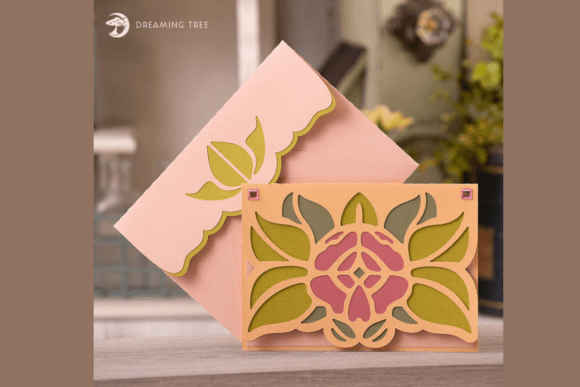
The first impression of the Rose Card SVG is one of refined elegance. Unlike flat, generic clipart that often feels dated or cheap, this asset possesses depth and texture. It showcases a blooming rose in a way that feels organic and tactile. For a brand trying to communicate warmth, care, and sophistication, this design asset sets an immediate emotional tone. It suggests that the brand values quality and detail. Whether you are a digital seller creating a content bundle, a coach building a lead magnet, or a product creator designing packaging inserts, the mood this illustration creates is crucial. It moves away from the casual and leans toward the premium, making it an ideal choice for occasions like birthdays, Valentine's Day, or any event where sentiment matters.
Elevating Brand Identity with Layered Depth
In the crowded space of social media graphics and digital ads, visual hierarchy is everything. When I integrated the Rose Card SVG into a mockup for an Instagram carousel, the difference was stark. The three-dimensional nature of the file allowed me to create shadows and highlights that made the image pop against various background colors. This is a significant advantage over standard PNG designs, which can sometimes look pasted on top of a layout.
For brand identity work, consistency is key. This SVG design offers the scalability needed for everything from a tiny favicon to a large banner ad without losing resolution. I tested it as a hero graphic for a landing page promoting a new line of floral scented candles. The rose acted as a focal point that guided the viewer's eye directly to the call-to-action button. By using a high-quality creative design element like this, we improved audience trust. People subconsciously associate polished visuals with professional service, and this asset delivers exactly that. It transforms a simple promotional post into a piece of editorial design that stops the scroll.
Practical Applications Across Marketing Channels
The versatility of the Rose Card SVG makes it a powerhouse for small business branding. In my workflow, I found several specific use cases where this asset shined:
- Packaging Design: I placed a simplified version of the rose on a mock product label for a soap bar. The intricate details of the petals added a touch of luxury that justified a higher price point.
- Email Banners: For a newsletter announcing a spring sale, the rose served as a decorative border element. It framed the text without competing with it, maintaining readability while adding festive flair.
- Social Media Covers: On Pinterest, where visual appeal drives traffic, I used the full-color version as a pin header. The depth of the 3D effect made the pin stand out in a feed filled with flat images.
- Printable Promotions: As a printable design asset, it worked beautifully for event flyers and thank-you cards included in shipping boxes.
Whether you are building a Canva template for clients or designing merchandise like stickers and tote bags, this illustration adapts well. It works particularly well for brands in the wellness, beauty, home decor, and handmade sectors. The ability to manipulate the layers means you can isolate the stem, the petals, or the whole bloom to fit different layouts, offering flexibility that rigid vector files often lack.
Navigating Limitations and Design Constraints
While the Rose Card SVG is a robust tool, it is not a magic wand for every situation. As a content marketer, I know that context dictates success. There are scenarios where this asset should be used carefully. For instance, in formal corporate branding or tech-focused campaigns, a blooming rose might feel too soft or unrelated to the core message. Similarly, in dense information layouts or text-heavy ads, the intricate details of the flower could clutter the visual hierarchy, distracting the user from the main offer.
I also recommend avoiding low-contrast backgrounds. Because the rose relies on shading to create its 3D effect, placing it on a dark or busy pattern can cause it to disappear. Always test the asset on mobile screens; while SVGs scale perfectly, the complexity of the layers needs to remain visible even on small devices. If your brand style is ultra-minimalist, ensure the rose doesn't overwhelm the clean lines of your typography. It should complement the design, not dominate it unless it is the sole focus of the creative.
Designer Notes for Implementation
To get the most out of this commercial design asset, follow these practical steps before launching your campaign:
- Test Color Palettes: Recolor the SVG to match your brand identity. Check how the gradients shift when you apply your primary and secondary colors.
- Typography Pairing: Experiment with different font styles. I found that the rose pairs exceptionally well with elegant script fonts for a romantic feel, but also looks surprisingly modern next to a clean sans-serif font.
- Licensing Verification: Before using this in paid campaigns or client work, confirm the commercial license. Ensure you have the rights to use it for product labels, web design, and unlimited print runs.
- Mockup Placement: Never judge the design in isolation. Place it inside real campaign mockups—on a phone screen, a coffee cup, or a business card—to see how it performs in the wild.
- Competitor Analysis: Compare your final design against competitor visuals. Does the Rose Card SVG help you stand out, or does it blend in? Aim for distinctiveness.
Ultimately, the Rose Card SVG is more than just a greeting card element; it is a strategic tool for visual content creation. It allows marketers and designers to inject emotion and professionalism into their communications. By leveraging its layered depth and elegant form, you can create memorable campaign visuals that resonate with your audience. Whether you are celebrating love, launching a new product, or simply refreshing your social media presence, this digital product offers the visual polish necessary to succeed in today's competitive marketplace.