Wooden Tool Box SVG: A Designer's Real-World Review
As someone who has spent years navigating the intersection of digital design and physical thread, I approach every new machine embroidery design with a critical eye. It is not enough for an image to look good on a screen; it must translate seamlessly into stitches that hold up under wear, washing, and scrutiny. Recently, I evaluated the Wooden Tool Box SVG, a file styled to look like a rustic, well-loved tool caddy. At first glance, this piece in the Objects category promises a charming aesthetic, but does it deliver when you move from the digital workspace to the embroidery machine? Let’s dive into how this 3D SVG performs in actual production scenarios.
The First Impression: Rustic Charm Meets Digital Precision
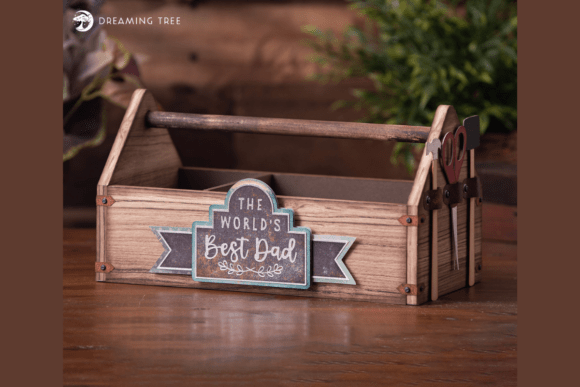
When I first opened the Wooden Tool Box SVG in my design software, the visual personality was immediately apparent. The design mimics layered woodgrain panels, creating a faux 3D effect that suggests depth and texture. For a craft business owner or an Etsy seller looking to create a personalized gift for a handy person, this mood is spot-on. It evokes nostalgia and craftsmanship, qualities that resonate deeply with the target audience for workshop-themed items.
However, as a designer, my initial thought shifts from "cute" to "constructible." The layout features distinct layers intended to simulate a paper-craft style within a flat embroidery field. This means the success of the project relies heavily on how well the fill stitch and satin stitch definitions handle the transition between the "wood" panels and the background. The detail level is moderate, which is generally a positive sign for commercial embroidery, as overly intricate lines often get lost in the stitching process.
Testing the Design: From File to Fabric
To truly understand the value of the Wooden Tool Box SVG, I imagined a real-life scenario: preparing a custom embroidered tote bag for a local hardware store giveaway. Tote bags are a staple for small shop products, offering a large canvas for branding. In this context, the design needs to pop against a sturdy cotton canvas without overwhelming the fabric.
When considering the embroidery file structure, the woodgrain effect requires careful color management. If you plan to use this for custom apparel like a heavy-duty sweatshirt, the thread colors need to contrast sharply with the garment. A dark heather grey sweatshirt would pair beautifully with a golden-brown thread palette, making the "wood" appear rich and tactile. Conversely, using similar tones could flatten the 3D illusion, turning the finished product into a muddy mess rather than a crisp graphic.
I also considered this design for a holiday embroidery project, perhaps as a patch for a Santa helper apron or a festive kitchen towel. The rustic theme fits perfectly with holiday gifts for fathers, grandfathers, or DIY enthusiasts. The stitch density appears balanced enough to prevent puckering on medium-weight fabrics, which is crucial for maintaining the professional look required for boutique merchandise.
Navigating Challenges: Where Caution is Required
While the Wooden Tool Box SVG is versatile, there are specific situations where it demands extra attention. One major consideration is the hoop size. Because the design attempts to create a 3D object through layering, shrinking it too much can cause the individual woodgrain details to blur together. I would advise against using this design in very small hoops unless you are prepared to simplify the layers significantly.
Another area of concern is textured fabrics or stretchy materials. If you attempt to embroider this on a thin jersey knit or a highly textured fleece, the underlying fabric pattern might interfere with the clean lines of the tool box. The running stitch outlines used to define the edges could become wavy, ruining the geometric integrity of the design. Always test on scrap fabric first to ensure the stabilizer holds the tension correctly.
Furthermore, while the design works well on flat surfaces like pillow covers or tea towels, applying it to curved surfaces like caps requires strategic placement. The rigid, boxy shape of the tool caddy might struggle to conform to the curve of a baseball cap front without significant distortion. In such cases, consider using it as an embroidered patch sewn onto the garment later, rather than stitching it directly onto the curved surface.
Enhancing Product Value and Customer Trust
For the Etsy seller or creative entrepreneur, the visual appeal of your handmade product directly impacts customer trust and perceived value. The Wooden Tool Box SVG offers a unique selling point because it moves beyond simple text or generic icons. It tells a story. When a customer receives a tote bag featuring this detailed, rustic design, they perceive higher effort and quality compared to a standard logo print.
This design asset can elevate your brand consistency if your shop focuses on home goods, DIY themes, or personalized gifts. The ability to customize the thread colors allows you to match various color palettes, ensuring the design fits seamlessly into your existing product line. Whether you are creating baby embroidery for a nursery with a "little builder" theme or adult apparel for a trade show, the adaptability of this digital embroidery file is a significant asset.
However, remember that the final presentation matters. Before listing a product, create high-quality printable mockups to showcase how the design looks on different backgrounds. Show the item in natural light to highlight the texture of the stitches. This transparency helps manage buyer expectations and reduces the likelihood of returns due to mismatched perceptions.
Practical Notes for the Professional Designer
If you decide to integrate the Wooden Tool Box SVG into your workflow, keep these practical notes in mind to ensure success:
- Test Stitching: Always run a test on a scrap piece of the actual fabric you intend to use. Check for any pulling or shifting in the layered areas.
- Stabilizer Selection: Given the density of the woodgrain fill, use a cut-away stabilizer for knits or a tear-away for woven fabrics to support the weight of the thread.
- Color Contrast: Ensure the thread colors provide enough contrast against the fabric to maintain the 3D illusion. Low contrast will make the design look flat.
- Licensing Check: Before selling finished items or the digital product itself, confirm the licensing terms. Some files restrict commercial use or require attribution.
- Detail Inspection: Zoom in on the file to check for tiny lettering or extremely fine lines that might not stitch out cleanly on your specific machine.
In conclusion, the Wooden Tool Box SVG is a strong contender for designers looking to add character to their craft business portfolio. It bridges the gap between digital artistry and tangible textile work effectively. While it requires thoughtful application regarding fabric choice and hoop sizing, the potential for creating memorable, high-value personalized gifts makes it a worthwhile addition to your library of design assets. By respecting the technical requirements of the embroidery project, you can transform this digital file into a standout feature of your handmade collection.