Baby Box: A Designer's Review for Real Projects
As a designer who has spent years curating assets for both personal craft projects and commercial embroidery lines, I approach every new machine embroidery design with a specific set of questions. Does it translate well from screen to fabric? Will the structure hold up after washing? Most importantly, does it add genuine value to a finished product? When I first opened the file for Baby Box, I was immediately drawn to its promise as a 3D project designed for parties, trips, and seasonal gifts. The concept of a sturdy, three-dimensional box created through stitching is inherently charming, but in the world of practical design, charm must be backed by structural integrity and stitch clarity.
First Impressions: Mood and Visual Personality
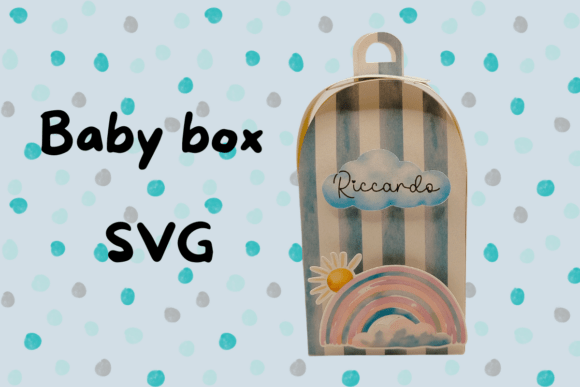
The initial view of the Baby Box design reveals a layout that balances whimsy with geometric precision. Unlike flat motifs that rely solely on color blocking, this piece leverages the potential of a 3D SVG format to create depth. For a designer, this is exciting because it moves beyond standard decoration into the realm of tactile texture. The visual personality feels warm and inviting, perfectly suited for the baby category without feeling overly cliché. It suggests a sense of containment and care, which is exactly the emotional hook needed for items like baby showers or birthday gifts.
However, the true test of any design lies in how it behaves when translated into thread. The layout suggests a reliance on clean lines and distinct layers to achieve that "box" effect. In my experience, achieving a convincing 3D look requires a careful interplay between satin stitch for edges and fill stitch for the faces of the box. If the density is too low, the illusion collapses; if it is too high, the fabric may pucker, ruining the professional finish. The design appears to have been constructed with these nuances in mind, offering a robust framework for a variety of applications.
Real-World Application: From Tote Bags to Boutique Merchandise
Let’s imagine a real scenario: I am preparing a line of custom embroidered tote bags for a local boutique specializing in nursery decor. The goal is to create a unique item that stands out on a shelf crowded with printed graphics. Using the Baby Box design here makes immediate sense. The sturdy structure mentioned in the description translates well to the canvas of a tote bag, where a slightly raised, textured element adds a premium feel.
I can see this design working beautifully on a heavy-duty cotton tote, perhaps stitched in soft pastels against a neutral background. The 3D nature of the box would catch the light differently than a flat print, drawing the customer's eye and encouraging them to touch the product. This tactile interaction is crucial for handmade goods. For an Etsy seller or small shop owner, offering a product with this level of detail signals quality craftsmanship. It elevates a simple tote bag into a personalized gift that feels bespoke rather than mass-produced.
Similarly, consider using this design for custom apparel. A sweatshirt featuring the Baby Box motif could serve as a standout piece for a family reunion or a special occasion shirt. The key here is placement. Because the design has volume, placing it on a curved surface like the chest of a fitted t-shirt might present challenges, but on the back of a relaxed-fit sweatshirt or a flat pillow cover, it should perform admirably. The versatility of the design allows it to transition seamlessly from holiday embroidery projects to year-round nursery decor.
Navigating Fabric Challenges and Technical Considerations
While the design is versatile, a professional must always anticipate where things could go wrong. The Baby Box design, with its implied depth and structure, demands attention to fabric texture and stability. I would advise caution when attempting this on thin or highly stretchy fabrics. The weight of the stitches required to build the 3D effect could cause distortion or sagging if the material cannot support the load. In such cases, a heavy-duty stabilizer becomes non-negotiable. You might need to use a cut-away stabilizer to ensure the design maintains its shape over time and through repeated washes.
Texture also plays a significant role. On a nubby linen or a thick fleece, the fine details of the box's corners might get lost. The stitch density needs to be sufficient to overcome the fabric's pile without creating a hard, plastic-like patch. For dark fabrics, the contrast of the thread colors will be critical. To maintain the 3D illusion, you may need to adjust the underlay stitches to prevent the dark background from showing through the lighter fill areas. Always test the design on scrap fabric first. Run a black and white mockup to visualize the tonal values before committing to expensive thread and materials.
Practical Notes for Designers and Business Owners
For those looking to integrate Baby Box into their commercial embroidery workflow, there are several practical steps to take. First, verify the licensing terms. As a digital product seller or creative entrepreneur, you must confirm whether the digital embroidery file allows for the sale of finished items. Some licenses restrict the number of products you can sell, while others offer broader commercial rights. Never assume; check the documentation provided with the download.
Second, pay close attention to the hoop size requirements. While the description highlights the design's versatility, your machine's capabilities dictate what is actually possible. Ensure your hoop can accommodate the full dimensions of the box without distorting the geometry. If the design is large, consider breaking it down or adjusting the tension settings to prevent shifting during the stitching process.
Finally, think about the end-user experience. If you are selling this as an embroidered patch, the backing needs to be secure enough to withstand ironing or sewing onto various garments. If it is a direct-to-garment application, the durability of the finished product is paramount. Customers expect their handmade purchases to last. By testing the design thoroughly and selecting the right materials, you ensure that the final result matches the high expectations set by the initial preview.
Final Verdict: A Valuable Asset for Thoughtful Creators
In conclusion, the Baby Box design offers a compelling opportunity for designers who want to move beyond flat aesthetics. Its focus on a sturdy, 3D structure makes it an excellent choice for projects where tactile appeal is a selling point. Whether you are crafting a one-off personalized gift for a friend or building inventory for your craft business, this design provides a strong foundation. It encourages creativity in color selection and fabric pairing while demanding a level of technical care that separates amateur work from professional results.
By respecting the design's structural needs and choosing the right substrates, you can create items that not only look beautiful but also feel substantial. For the savvy maker, Baby Box is more than just a pattern; it is a tool for enhancing brand consistency and buyer engagement. With proper execution, it has the potential to become a signature element in your portfolio of design assets, proving that thoughtful, well-executed embroidery remains a powerful medium for storytelling and connection.